-wh.png)

Complete guide to charity gala, community dinner, and digital fundraising events. Event planning checklist, budget framework, and ROI calculation.
Answer Block
Successful fundraising events follow a 3:1 revenue ratio (for every 100 pounds spent, net 300 pounds raised) and require 4-6 months planning. Structure events as experiences with three core elements: connection (beneficiary stories), impact (clear ask), and community (peer motivation). Events also generate 8-12 months of donor relationship value beyond the event itself.
Why Most Charity Events Fail (And How to Avoid It)
You probably know a charity event that lost money. Hosted a gala, spent 10k, raised 12k. All that work for minimal impact.
Here's what happened: They treated the event as a standalone fundraiser. They didn't have clear financial targets. They didn't leverage it to deepen donor relationships. The event happened, then everyone moved on.
The events that actually work are structured differently. They have clear revenue targets. They're designed to create connection, not just transaction. And they're designed with a 12-month relationship roadmap attached.
The Three Types of Fundraising Events
Event Type 1: The Major Gala (Annual, High-Value)
Formal dinner event with 150-300 people, ticket price 75-150 pounds, auction or paddle raise.
When to do it: Once per year, ideally at same time yearly (builds anticipation and recurring attendance).
Revenue model: Tickets (50%), auction (30%), pledges/paddle raise (20%).
Example: "The Annual Iftar Gala" held each Ramadan. 200 people at 100 pounds per ticket = 20k. Auction raises 8k. Pledges raise 6k. Total: 34k minus 8k costs = 26k net.
Who should attend: Major donors (Tier 1/2), potential major donors, community leaders.
Goal: Not just revenue, but deepening relationships with top donors. They leave feeling more connected to the mission.
Event Type 2: The Community Gathering (Quarterly, Medium-Value)
Casual, accessible event with 50-200 people, ticket price 15-30 pounds or free (donation-based).
When to do it: 3-4 times per year. Different audiences or themes each time.
Revenue model: Tickets (40%), refreshment sales (20%), donations/collections (40%).
Example: "Monthly Community Iftar" - free to attend, donations encouraged. 100 people, average donation 20 pounds = 2k. Refreshment sales (tea, dessert) 500 pounds. Net: 2.5k.
Who should attend: General donors, community members, potential donors, volunteers.
Goal: Build community, create entry points for new donors, maintain momentum between major events.
Event Type 3: The Virtual Event (Monthly-Quarterly, Scalable)
Online experience (webinar, Q&A, live storytelling) with 200-2000 people, free or 5-15 pounds.
When to do it: Monthly or quarterly.
Revenue model: Donations, pledges during event.
Example: "Live Q&A with our director" - 500 attendees, 30% donate average 10 pounds = 1.5k for minimal cost.
Who should attend: Anyone (lowest friction to attend). Expands your reach.
Goal: Reach people who can't attend in-person. Build awareness. Capture new donors.
The Event Planning Timeline
6 Months Before
- Define your goal: Revenue target, number of attendees, relationship outcomes.
- Choose venue: Book it now. Good venues fill fast.
- Form event committee: 3-5 people responsible for different functions (marketing, logistics, fundraising, host).
4 Months Before
- Finalize budget: How much are you spending? What's your target net revenue?
- Create event branding: Logo, tagline, color scheme. Consistency across materials.
- Build your committee relationships: Connect with 10-15 "ambassadors" who'll invite friends.
3 Months Before
- Design the experience: What's the flow? When do people hear the mission story? When is the ask?
- Finalize speaker list: Director, beneficiary speaker (if appropriate), auctioneer, host.
- Create marketing calendar: Website, email, social, print.
2 Months Before
- Send save-the-dates: Build anticipation.
- Recruit volunteers: You need 10-15 minimum.
- Confirm logistics: Catering, AV setup, seating arrangements.
6-8 Weeks Before
- Email campaign begins: First major push. Story-focused.
- Ticket sales open: Make it easy to buy online.
- Sponsor recruitment: If applicable, ask businesses for financial sponsorship.
4 Weeks Before
- Second marketing push: Testimonials, impact preview, urgency messaging.
- Finalize auction items: Secured all donations?
- Create event program: What's the order of events?
2 Weeks Before
- Confirm RSVPs: Follow up on people who haven't bought tickets.
- Brief volunteers: Training on their roles.
- Run through AV and logistics: Technical rehearsal.
1 Week Before
- Final push emails: "This weekend!"
- Confirm all logistics: Catering confirmed? AV working? Seating plan done?
Event Day
- Arrive 2 hours early: Setup, final checks.
- Welcome guests personally: This matters.
- Execute the program: Stick to timing.
- Celebrate afterward: Thank volunteers immediately.
The Event Experience: Three Critical Moments
Moment 1: Connection (First 15 minutes)
When people arrive, they should feel welcomed and like they're part of something. This is not transaction time.
- Warm greeting at door
- Refreshments available
- Soft music
- Visual displays of the mission (photos, impact data)
This is where relationships start.
Moment 2: Impact (Middle 30-40 minutes)
Now you tell the story. Why does the work matter? Who does it serve? What's the transformation?
- Beneficiary testimony (video or in-person). Real, emotional, brief (5-7 minutes).
- Director message. Clear, passionate, honest (5 minutes). Not a pitch, a conviction.
- Impact visual. Show data. Show transformation. Show the scope.
The ask comes after they understand the "why."
Moment 3: Response (Final 15 minutes)
Now you ask. Be clear. Be confident. Give options.
- Direct ask. "We need 50k to expand this program. Will you join us?"
- Auction or paddle raise (if applicable).
- Donation stations (table giving, text-to-give).
- Personal conversations. Leadership is available to talk to major donors.
Budget Template: A 150-Person Gala
Revenue Projections:
- Tickets (150 at 100 pounds): 15,000
- Auction (3 items at avg 2k each): 6,000
- Pledges/paddle raise: 4,000
- Total Revenue: 25,000
Costs:
- Venue (12 hours, inc. setup): 2,500
- Catering (150 people at 25 pounds): 3,750
- AV/tech/sound: 1,000
- Marketing/printing: 800
- Staff time (coordinator at 400/day): 1,200
- Contingency (10%): 900
- Total Costs: 10,150
Net Revenue: 14,850 (59% net margin)
This assumes you get 100% ticket sales and average auction items. Conservative? Yes. But it's realistic.
Five Statistics on Fundraising Events
- Events generate 22% of nonprofit revenue but only 12% are run strategically (Nonprofit Tech for Good). Most are ad-hoc.
- Events with clear storytelling raise 3x more than transactional events (AFP). Experience beats transaction.
- Attendees who hear a personal beneficiary story become donors at 4x higher rate (nonprofit research). Stories convert.
- 65% of event attendees become repeat donors if followed up with thank-you within 48 hours (nonprofit data). Post-event matters.
- Virtual events cost 80% less to run than in-person but generate 40% of the revenue (nonprofit research). Hybrid is often smartest.
FAQ: Event Planning
How many months do we need to plan?
3-4 months minimum. 6 months is ideal. Events planned in 6 weeks are almost always under-attended and under-resourced.
What if we're a small team?
Start with quarterly community events, not annual galas. Less complex, less expensive, easier to execute. Galas require 5+ people on committee.
Should we do silent auction or paddle raise?
If your crowd is comfortable with technology and giving peer pressure is present, paddle raise (live bidding) is easier and faster. If your crowd prefers thinking time, silent auction. Hybrid is often smartest.
How do we price tickets?
Price to value. If your gala is premium (fancy venue, catered dinner), 75-150 pounds. If it's casual (community hall, simple refreshments), 15-30 pounds. Never price so low that people don't feel it's valuable, or so high that attendance suffers.
What if we don't have 150 people to invite?
Start smaller. A 50-person intimate dinner can be more effective than a 150-person mediocre gala. Build from there.
How do we follow up after the event?
Email thank-you (24 hours). Phone call to major donors (2-3 days). Personal video from director (1 week). Impact update about what the event funded (30 days). Keep the momentum.
Two Case Examples
Case 1: The Mosque That Turned a Gala Into a Relationship Machine
A suburban mosque hosted an annual Iftar gala (100 people, 50 pounds tickets). They raised 6k net, viewed it as a one-off, and moved on.
They redesigned it: Made it more experiential. Started with beneficiary testimony (a refugee family they helped). Director spoke about the year's work. Then they did a simple paddle raise (not auction, to keep time moving).
They also changed follow-up: Every attendee got a handwritten thank-you card from the imam. Major donors got a call. Everyone got invited to monthly community events. Two attendees per month got a personal coffee meeting with the director.
The next year, 150 people attended (word-of-mouth from the first one). Net revenue doubled to 12k. But more importantly, 60% of attendees volunteered or increased giving. The event became a relationship hub, not a fundraiser.
Case 2: The Charity That Made Virtual Events Actually Work
A national Islamic education charity tried a virtual fundraiser (free webinar, donations encouraged). They got 300 attendees but only 45 donations (2k total).
They redesigned: Made it much shorter (45 minutes vs 90). Started with a beneficiary story (video, 5 minutes). Director spoke (5 minutes). Then opened it up to questions (10 minutes). Then soft ask with 3 giving options: monthly giving (autopay), one-time gift (text-to-give), or sponsorship (call after event).
Same event type, different design. 300 attendees, 120 donations (8k total). 4x higher conversion. Why? Clear flow, emotional connection, easy path to giving.
Key Takeaways
- Plan 4-6 months for major events. Last-minute events are under-attended and under-funded.
- Structure the experience, not just the logistics. Flow matters. Timing matters. Connection comes before ask.
- Build relationship value beyond the event. The 12 months after matter as much as the event itself.
- Budget realistically and track ROI. Know your costs. Know your revenue. Aim for 60%+ net margin.
- Follow up immediately. Thank-yous, calls, and impact updates in the week after create repeat attendees.
Ready to Run Your First Strategic Event?
Start small if you're new. A 50-person community dinner is easier to execute than a 200-person gala. Master the core elements, then scale.
Need help designing your event experience, building your volunteer team, or creating your marketing plan? We work with Islamic charities to build events that convert. Let's design your next one.
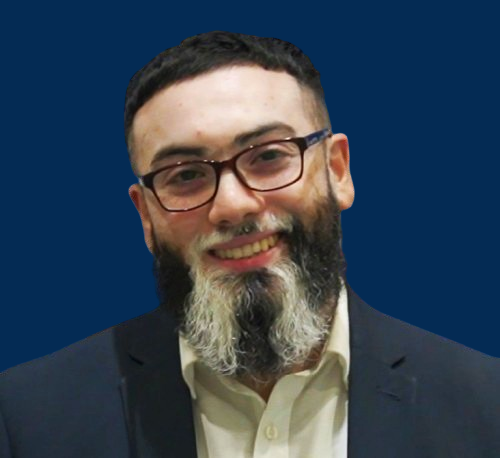
About the Author
Mohammad Shoaib
Mohammad Shoaib is the Director of Shoaib Projects Limited, a UK marketing agency helping Muslim organisations and halal businesses grow through ethical and strategic marketing.
Recent Posts


Categories
Popular Tags
Keep Reading
Related Articles


Contact Us
Get in touch with us — we’re here to help and answer your questions.
Let’s Talk
Whether you’re starting a new initiative or looking to grow an existing project, we’re here to provide guidance, support, and practical solutions tailored to your needs.
Visit Our Office
Address 1: Watford Education Centre, Leavesden Road, Watford, WD24 5ER
Send Email
Business Hours
24/7
Send Us a Message
Tell us about your organisation and what you’re trying to achieve. We’ll respond personally and explore whether we’re the right partner for you.